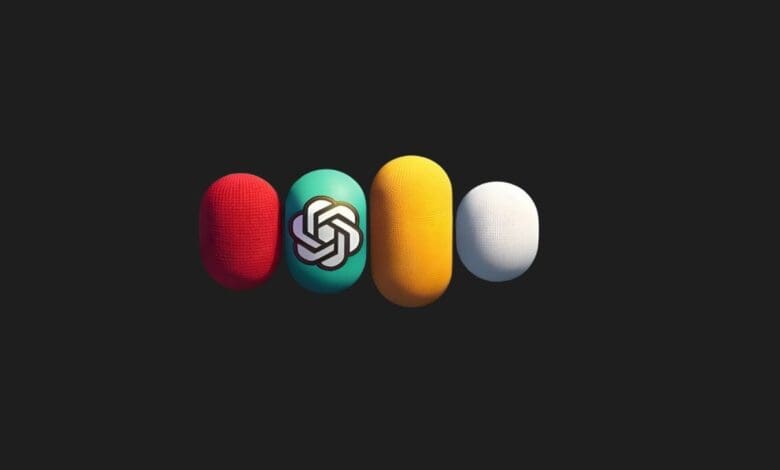

OpenAI is working on an AI-based music generation model. The company, in collaboration with The Juilliard School, is developing a new music production tool that could be integrated into ChatGPT or Sora.
OpenAI has started working on developing an artificial intelligence model that generates music. According to reports, the company is carrying out a joint project with the prominent US institution, The Juilliard School. Within the scope of this collaboration, the school will assist OpenAI with the labeling of musical notation. It is stated that the new model will be able to create music from both text and audio-based commands. The company will compete with strong rivals already operating in this field, such as Google, Suno, and Udio.
New Revenue Stream and Intensifying Competition

OpenAI’s move is seen as part of a strategy to increase engagement on its platforms, which already reach 800 million users, and diversify its revenue sources. Last May, Google introduced the second generation of its music generation model, Lyria, and offered it to corporate customers via Google Cloud. Meanwhile, rapidly growing startups like Suno and Udio have also begun to set the industry standards.
OpenAI’s music production tool has commercial potential, especially in the fields of advertising and video production. The company is working on a system that can automatically generate guitar chords over a vocal track, for example, or create background music suitable for video content. Such solutions could also greatly simplify work for advertising agencies.
Copyrights Create New Challenges

However, legal issues in the field of AI-generated music are also on the agenda. Suno and Udio are currently facing lawsuits filed by the Recording Industry Association of America (RIAA). The RIAA represents major record labels such as Universal Music Group, Sony, and Warner Music, and is seeking damages of up to $150,000 for each copyright infringement.
This situation requires OpenAI to consider potential legal risks from the outset. The company may promise rights holders greater control over content and revenue sharing in the music field, as it did previously with the Sora video generation tool.


It is not yet known when OpenAI’s new music generation model will be introduced or on which platform it will be integrated. However, this move by the tech giant is considered a strong indication that artificial intelligence could initiate a radical transformation in the music world.
You Might Also Like;